
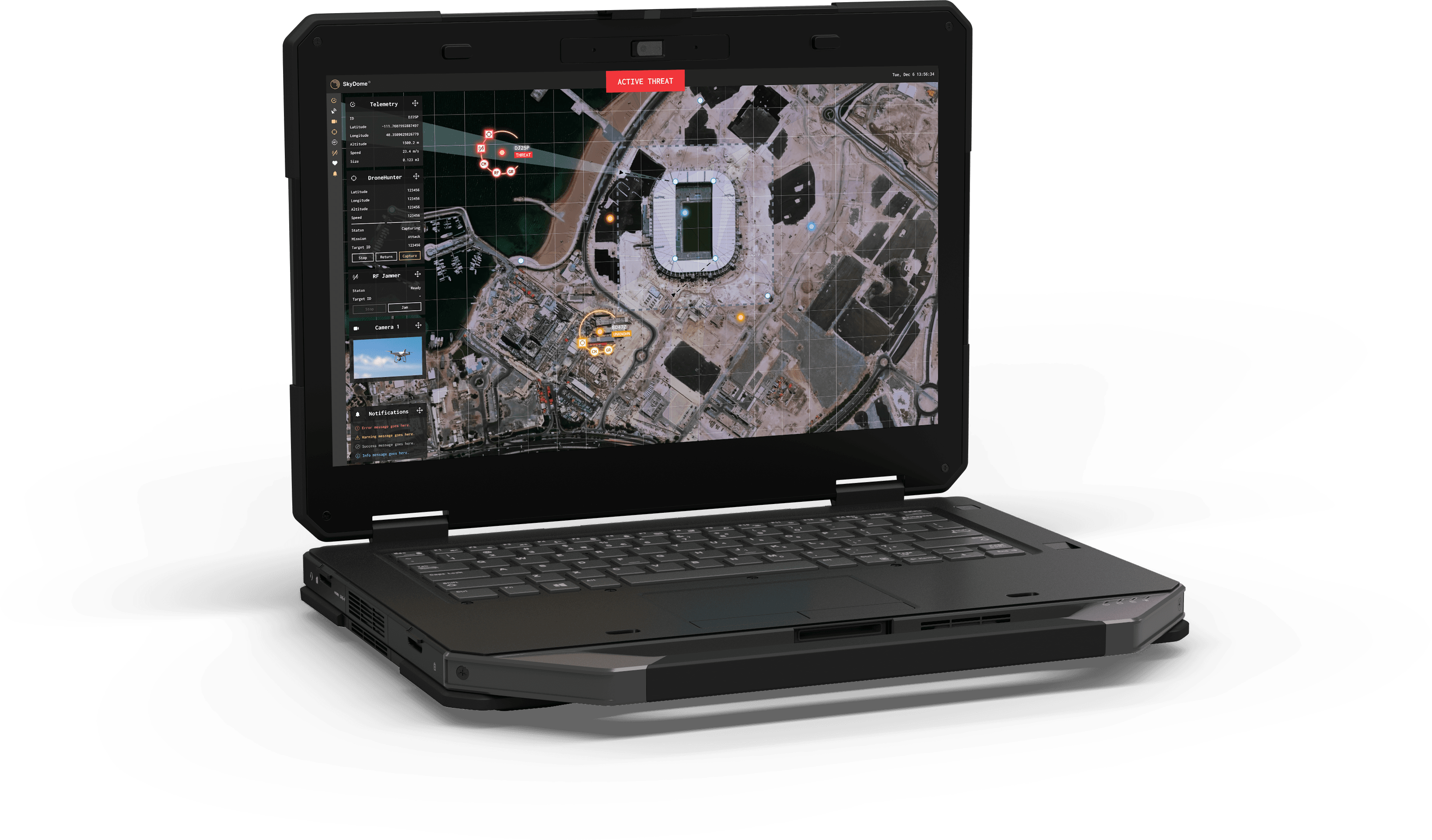
Surveillance built around a single sensor falls short against today's small, agile unmanned aircraft; real awareness comes from fusing radar, RF, and electro-optical data.
Airspace awareness is about more than answering 'is something in the sky.' Operationally useful awareness has to establish, in real time, what is approaching, from where, at what speed, how serious the threat is, and what response it calls for. The low radar cross-section and unpredictable flight paths of small unmanned aircraft turn this into a far more complex engineering problem than traditional air-defense approaches were built to solve.
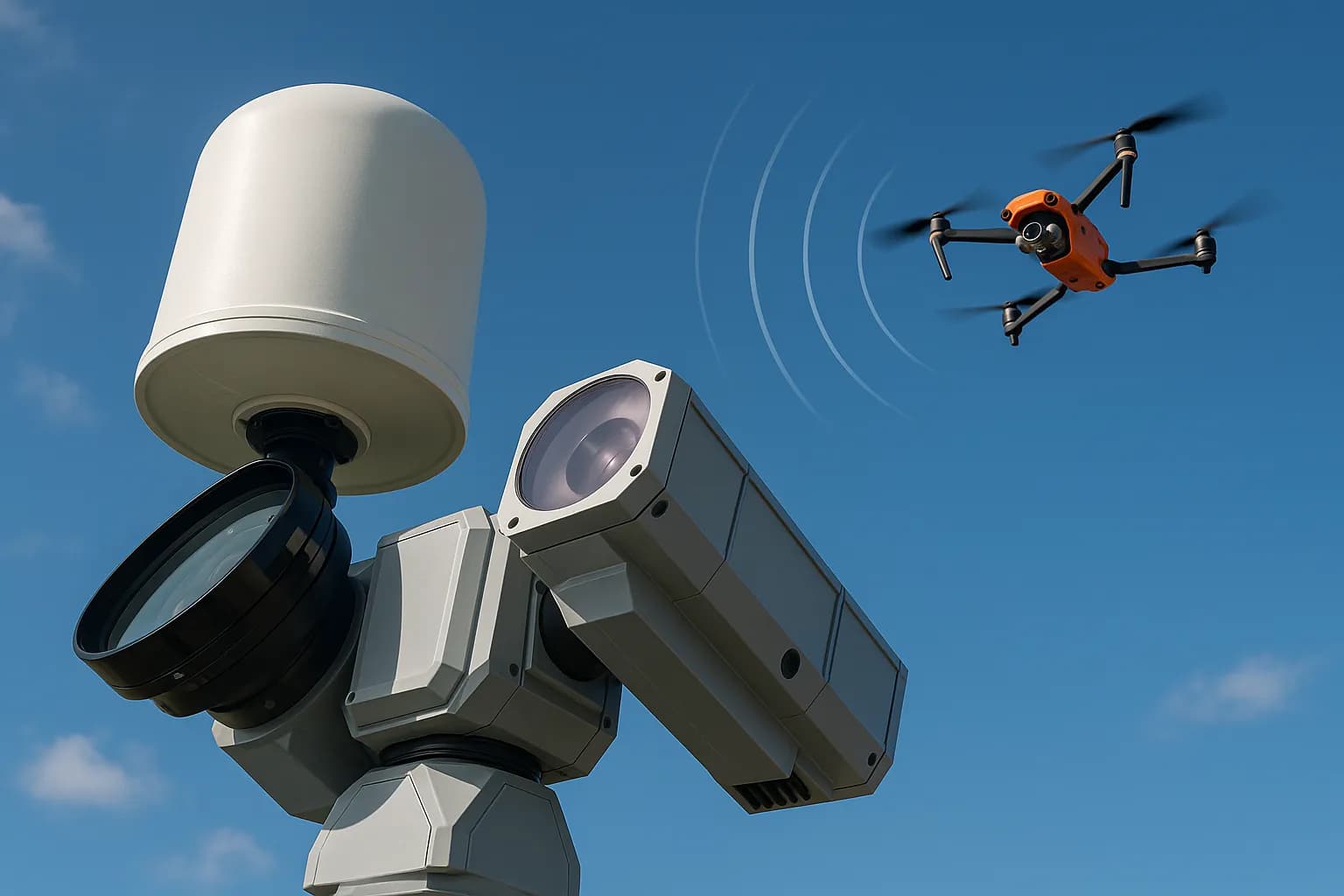
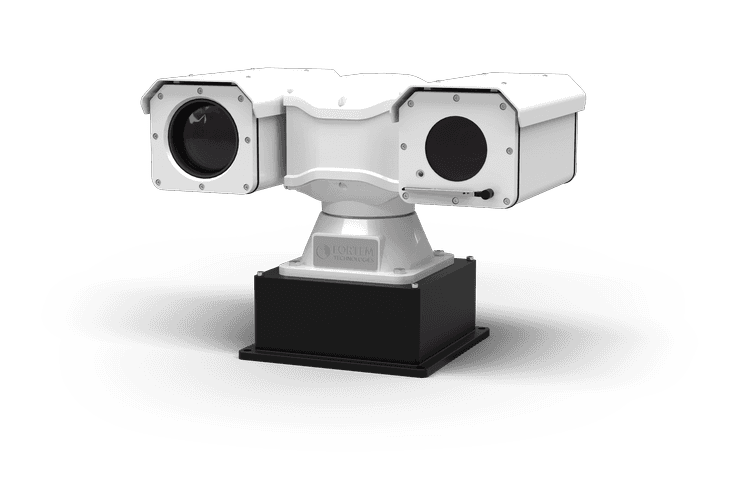
A modern airspace awareness architecture is typically built on a three-layer sensor approach: radar for wide-area scanning, electro-optical/thermal cameras for visual identity confirmation, and RF sensors that listen in on pilot-drone communication for additional intelligence. Each layer compensates for the weaknesses of the others.
The Role of Central Command-and-Control Software
Raw sensor data means little to an operator on its own. That's why modern solutions rely on central command-and-control software that fuses tracks from different sensors into a single common operating picture. This software layer handles functions such as threat prioritization, automated alerts, and presenting response options to the operator.
The most critical decision when building a comprehensive airspace awareness system is choosing the right sensor combination based on the size of the area to be protected, the surrounding electromagnetic environment, and an acceptable false-alarm rate. As a result, every project calls for site-specific engineering rather than a one-size-fits-all product.

Let's Discuss a Radar Solution for Your Sector
Contact our team to select the right radar, sensor fusion, and response system for your facility's risk profile.
Get a Quote