
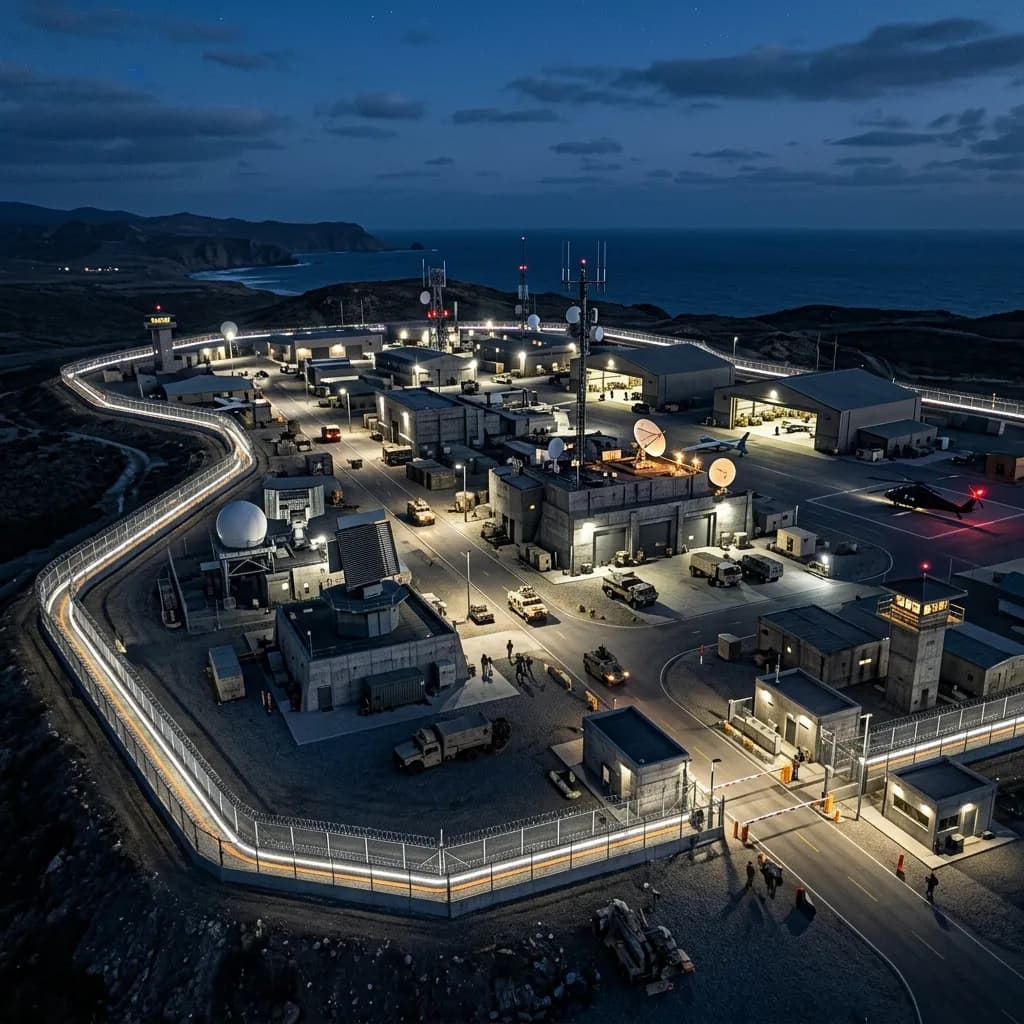
Small unmanned aircraft have become a significant factor in modern conflict thanks to their low cost and accessibility, making a layered defense against them a standard requirement rather than an option.
In current conflict environments, small unmanned aircraft are increasingly used for reconnaissance, target acquisition, and direct strikes. Their low cost and easy availability on the commercial market have spread an air-threat capability once accessible only to state actors to a much wider range of users.
Military C-UAS systems have to adapt to a range of operational scenarios, from fixed base security to protecting mobile forces. That diversity calls for a flexible, modular system architecture in terms of radar range, mobility, and response options.
The Decision Chain from Detection to Neutralization
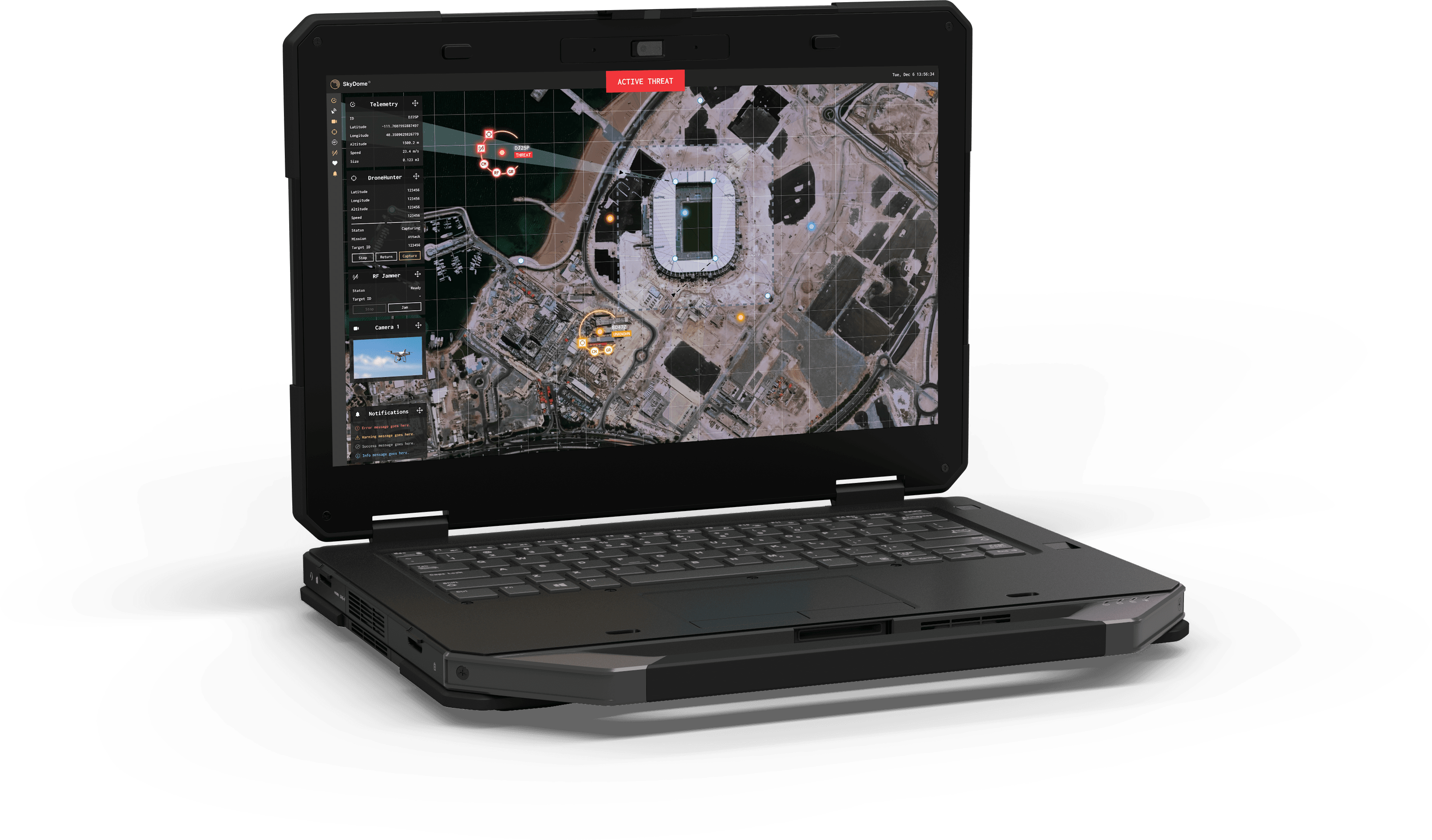
In a military C-UAS operation, detection is only the first step; the target then has to be classified, friend distinguished from foe, and the appropriate neutralization method selected — electronic jamming, kinetic intervention, or capture. Every link in this decision chain has to be completed within seconds, and reliably.
C-UAS systems in a military setting are also expected to withstand an adversary's electronic countermeasures, which is why frequency agility and cybersecurity feature far more prominently in their design than in civilian applications.

Let's Discuss a Radar Solution for Your Sector
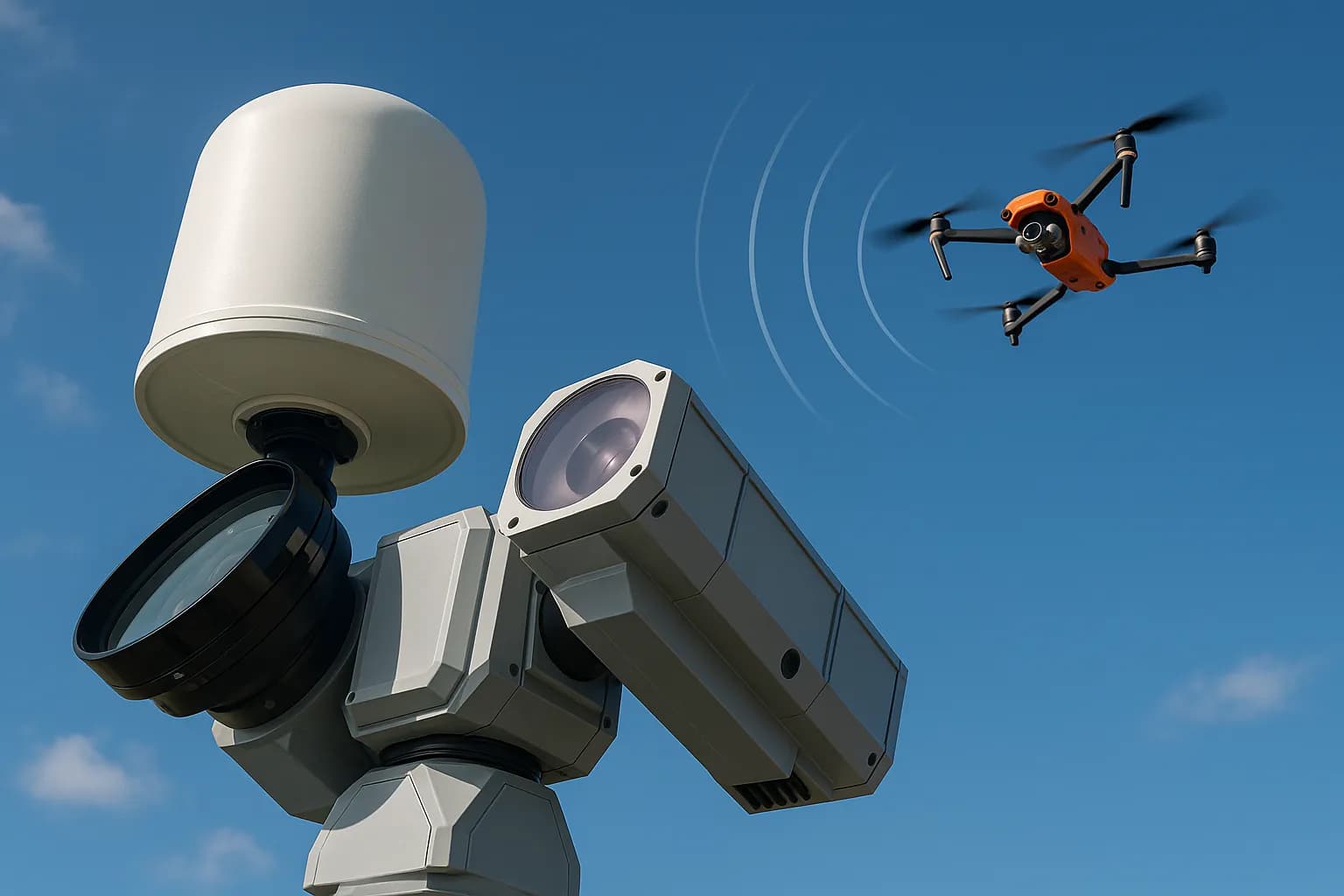
Contact our team to select the right radar, sensor fusion, and response system for your facility's risk profile.
Get a Quote